
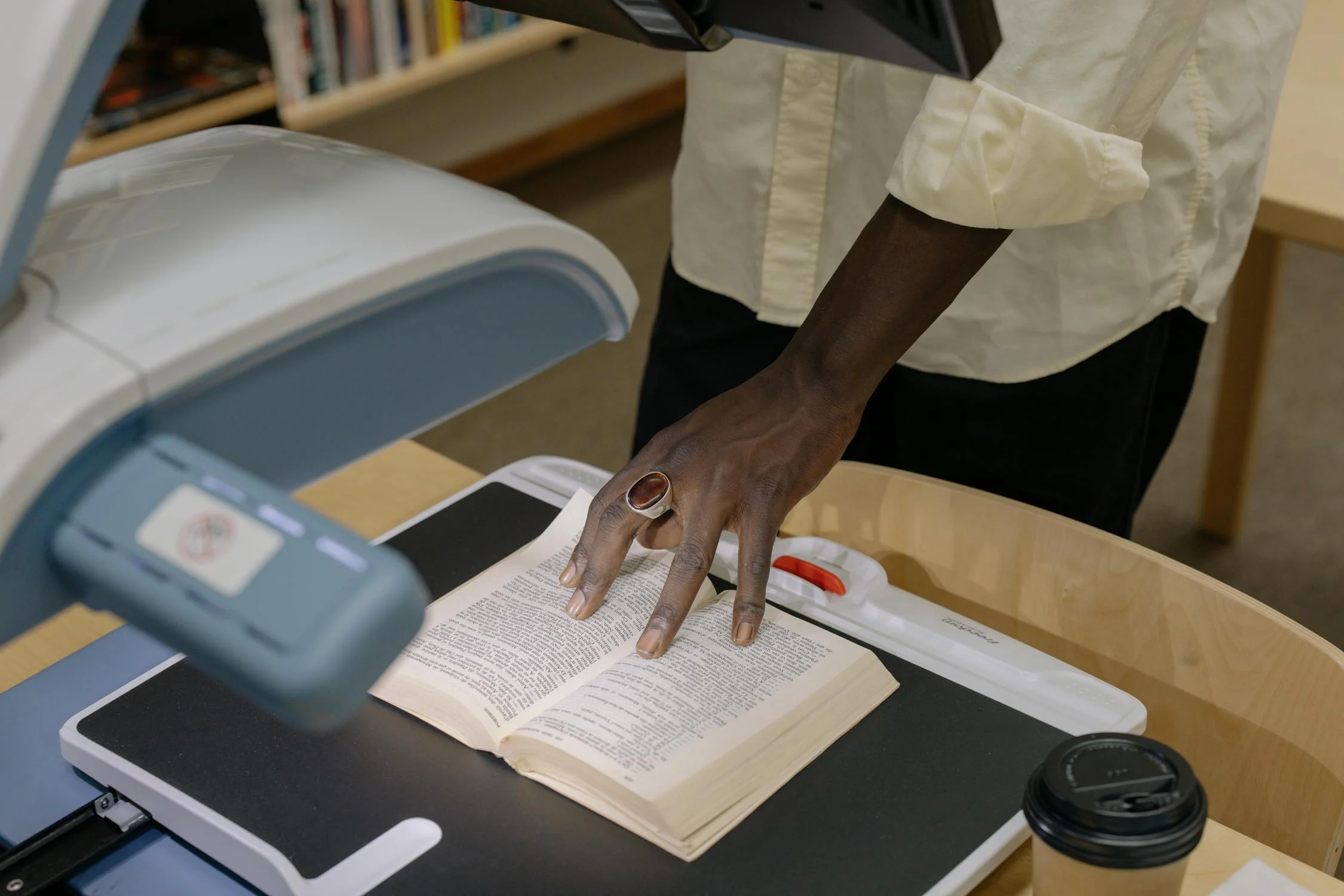
In today’s world, where everything is moving digital, how we access and preserve information has shifted dramatically. One of the most significant changes? Book digitization. Turning physical books into digital formats is a game-changer for libraries, archives, and researchers. It’s not just about making books easier to access—it’s about protecting valuable resources and making knowledge available to anyone, anywhere, anytime.
If you’re part of the academic or research community—or just love learning—you might already see the impact of this transformation. But let’s break it down and explore how book-scanning services reshape the landscape for libraries, archives, and researchers alike.
1. Making Books Accessible to Everyone
Remember when accessing a rare book meant traveling to a library or archive, dealing with strict hours, or requesting access weeks in advance? Not anymore. With our book scanning services, anyone with an internet connection can access them from anywhere in the world. That’s a massive win for both libraries and users. No more waiting in line or worrying about opening hours.
For researchers and students, this means less time wasted and more time learning. You can search, read, and reference materials from the comfort of your home or office—no plane tickets required. Plus, it opens up a world of resources, once limited to just a few physical locations.
Why This Matters:
- Global Accessibility: You can access books, manuscripts, and journals from around the world, no matter where you are.
- Convenience: No longer waits or travels—you can access information instantly through digital book conversion.
- Better Experience: From zooming in on text to reading aloud features, digitized books are more user-friendly.
2. Preserving Valuable, Rare Materials
Imagine you’ve got a rare, delicate manuscript that’s been around for centuries. The last thing you want is for it to be damaged by constant handling. That’s where book preservation services come in. By turning these fragile books into digital formats, libraries and archives can preserve the content without harming the original materials.
Even if a physical book were to get lost or destroyed, the digital version would still exist. This means future generations can continue to access that knowledge without worrying about deteriorating paper or fading ink. It’s like giving a second life to historical works!
Why This Matters:
- Longevity: Digital files don’t degrade like paper, so your materials last longer.
- Less Handling: Fewer people must touch fragile materials, which means less wear and tear.
- Backup for the Future: Even if something happens to the physical copy, the digital version remains intact.
3. Streamlining Research
If you’ve ever spent hours sifting through stacks of books trying to find that one elusive quote or reference, you’ll know how time-consuming traditional research can be. Book scanning services make this a thing of the past. With a few clicks, you can search through entire volumes of text and find precisely what you need in seconds.
This makes a massive difference for researchers. Instead of getting bogged down by irrelevant material, you can go straight to what matters. Plus, digital texts often come with tools for highlighting, annotating, and even translating, which gives you the flexibility to dive deeper into your work.
Why This Matters:
4. Saving Money and Space
Libraries and archives have limited space, and storing extensive collections of physical books can be both costly and challenging. Book scanning solutions solve this problem by freeing up physical space and reducing the costs of preserving physical materials. Instead of spending money on upkeep, libraries can invest in digital storage, which is more cost-effective in the long run.
Plus, with more and more digital resources available, libraries don’t have to worry about running out of room for new acquisitions. The digital format allows for virtually unlimited expansion.
Why This Matters:
5. Going Green: The Environmental Impact
Believe it or not, book digitization also helps the environment. Printing books, shipping them worldwide, and storing them in libraries uses a lot of paper, ink, and energy. Digitizing books, libraries, and archives reduces the need for paper and reduces transportation and storage costs. It’s a win for sustainability.
Libraries that digitize their collections are actively reducing waste and conserving natural resources. The more organizations go digital, the greater the impact on the planet.
Smooth Photo Scanning provides professional digitization services to help libraries and institutions protect and preserve their most valuable materials for generations to come.
Why This Matters:
Conclusion
In a nutshell, book digitization has transformed how libraries, archives, and researchers operate. By improving accessibility, preserving materials, speeding up research, and reducing costs, book scanning services are reshaping the future of knowledge sharing. Whether it’s helping researchers find information faster, protecting rare books from degradation, or making vast collections accessible to anyone with an internet connection, the impact is undeniable.
Libraries and archives embrace the future, ensuring valuable content is preserved and available for future generations to explore and learn from. As the digital shift continues, the role of book scanning services in supporting academic and research communities will only grow, opening up new possibilities for how we engage with information and the world around us.
If you’re ready to unlock the power of book digitization and preserve your collection for future generations, Smooth Solutions is here to help. Contact us today to learn more about our book-scanning services and get started on preserving your valuable resources!


